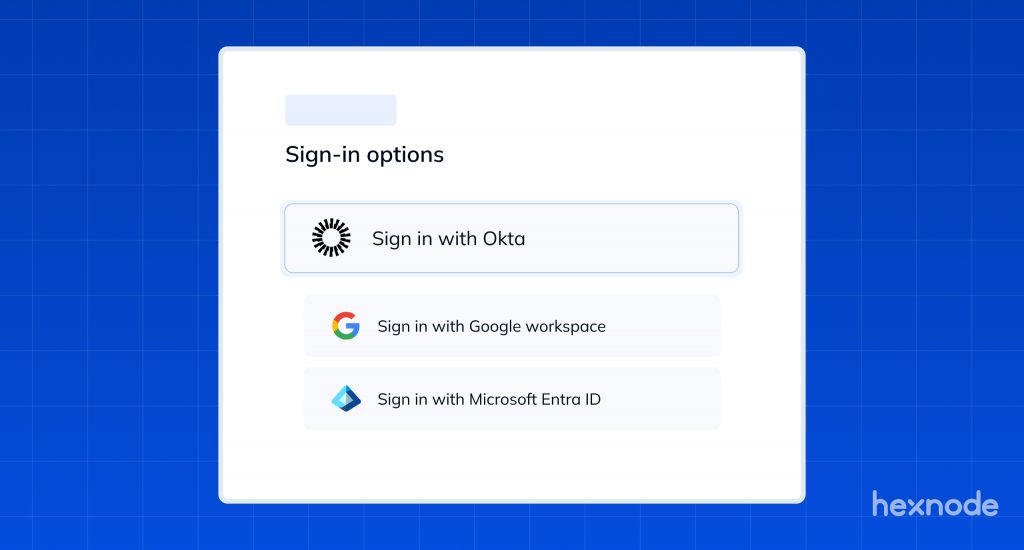
Conditional Access Explained
Learn how Conditional Access verifies identity and device health to block compromised or unmanaged device access.

Get fresh insights, pro tips, and thought starters–only the best of posts for you.

The concept of ‘Least Privilege’ is the cornerstone of Zero Trust. Today, that cornerstone has been cracked. A critical vulnerability in Esri ArcGIS Portal (CVE-2026-33519) has revealed a flaw in how ‘super-credentials’ are handled. With a CVSS score of 9.8, this vulnerability allows low-privilege users or compromised API keys to escalate their permissions to administrative levels, granting them total control over sensitive spatial data and organizational configurations.
The vulnerability exists in the authorization logic of the ArcGIS Portal. When certain developer tokens are generated, the system fails to properly validate the scope of the requested permissions against the user’s actual role. This leads to an ‘Incorrect Authorization’ state. An attacker with a simple viewer account can craft a request to generate a token that carries the attributes of a ‘Portal Administrator.’ This ‘ghost credential’ remains valid even if the user’s password is changed, making it a perfect tool for long-term espionage and data theft.
Esri’s emergency response highlights a terrifying reality: simply updating the software does not invalidate the malicious tokens that may have already been generated. This means that if you were breached yesterday, patching today won’t stop the attacker from using their ‘super- credential’ tomorrow.
First, update to the latest ArcGIS Enterprise long-term support release. Second, administrators must run the Esri Credential Check Tool released this morning. This tool
scans the internal database for tokens that exceed their expected scope. Organizations should also enforce a global ‘Reset All Tokens’ policy, forcing every integration and user to re- authenticate using a now-secure authorization logic. This is a manual, disruptive process, but it is the only way to ensure ‘ghost’ access is purged.
Hexnode UEM acts as a critical enforcement layer in a Zero Trust environment. While the ArcGIS vulnerability affects the cloud or server side, Hexnode helps secure the access point. When integrated with your Identity Provider (IdP) through Single Sign-On (SSO), Hexnode ensures that access is not granted based on credentials alone.
Even if a credential is over-scoped or improperly elevated on the server side, the device trying to use it must still pass strict security checks. With Conditional Access, Hexnode can block access to ArcGIS from unmanaged, compromised, or jailbroken devices, regardless of the user’s privilege level.
Discover how Hexnode IdP strengthens Zero Trust with SSO, MFA, and device-based access controls.
Featured Resource
Hexnode IdP Solution Brief
This layered approach strengthens Zero Trust by adding device-level verification to identity-based access. As a result, even if identity logic fails in a case like CVE-2026-33519, it does not automatically lead to a full-scale data breach.
Use Hexnode to verify device health and block risky or unmanaged endpoints.
Start Your 14-day Free Trial Today!