TL;DR:
Kiosk software pricing in 2026 is driven by lifecycle management, not just hardware, making feature depth the real factor in long-term ROI.
- Costs typically depend on the vendor’s licensing model, device count, supported platforms, and the management capabilities included in the selected UEM plan.
- A full UEM platform beats standalone kiosk tools by bundling remote management, compliance, and multi-OS support, avoiding costly on-site fixes.
- Hexnode consolidates kiosk lockdown and UEM across Android, iOS, Windows, macOS, and tvOS from one dashboard, starting at ~$2.2 per device/month.
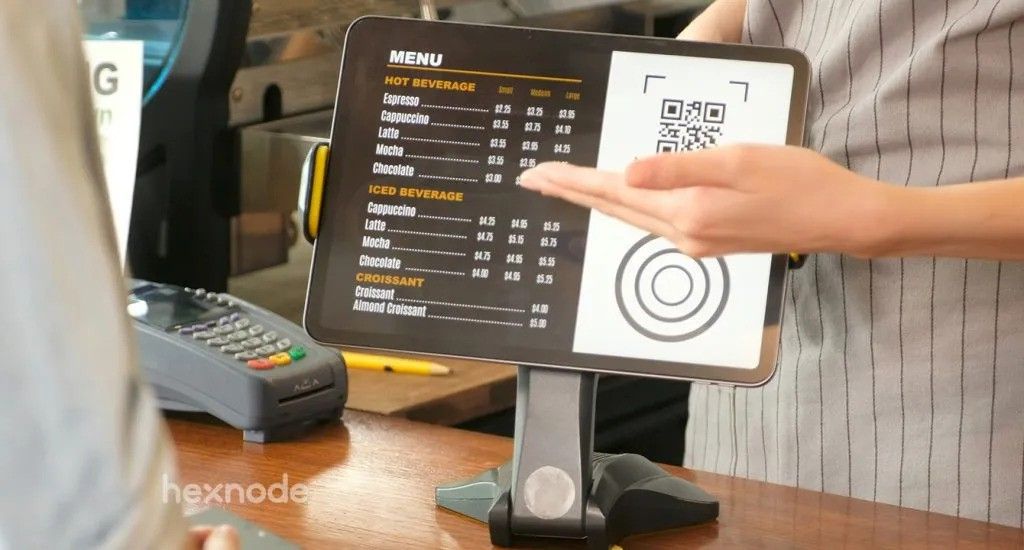
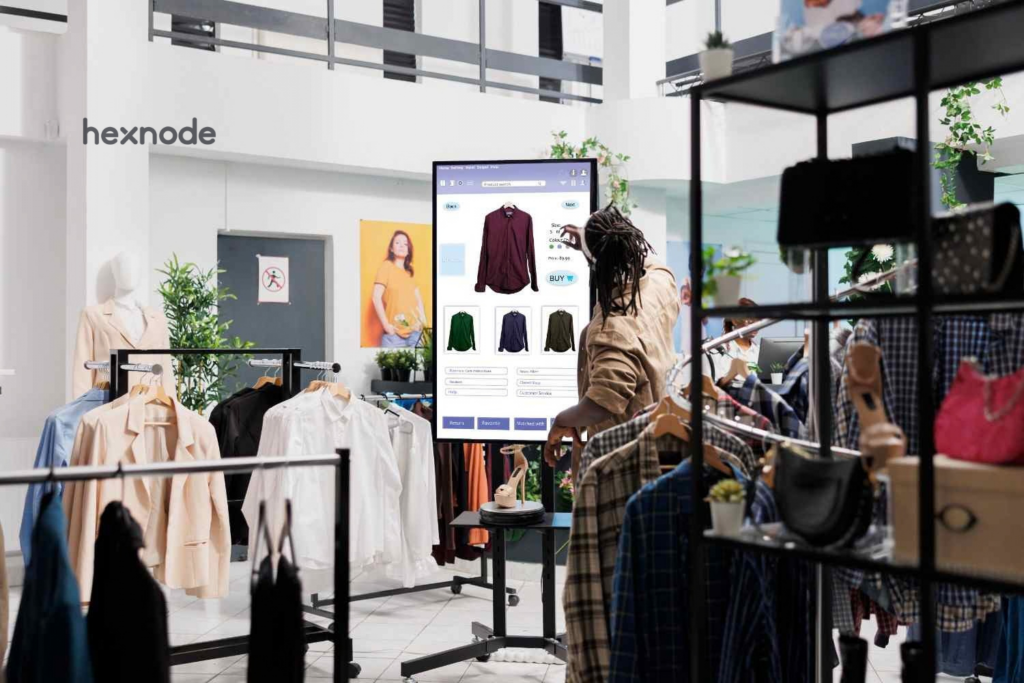
While walking the streets, you often see flashing screens displaying promotions, new arrivals, or self-order menus at Restaurants. These displays have become a staple of the modern consumer experience, providing seamless convenience in high-traffic environments. As businesses increasingly leverage these tools for engagement, the focus has shifted from “what” a kiosk is to the logistics of managing them effectively.
Central to this strategy is finding the right kiosk software price, as the cost of management often dictates the long-term ROI of the entire deployment. Understanding this investment requires a deep dive into the technical variables that influence your final bill.
Let’s begin exploring the answers to these questions by breaking down the core cost drivers.
What Determines Kiosk Software Price?
The kiosk software price isn’t arbitrary; it is built on four core pillars that reflect the complexity of your deployment and the level of security required:
- Device Count and Scalability: Most SaaS providers use a “Per Device/Per Month” model. When looking for a lower price for kiosk software, larger fleets typically benefit from volume discounts. Larger deployments often qualify for volume discounts or custom enterprise pricing, although pricing models and fleet-size thresholds vary by vendor.
- Lockdown Complexity: The level of lockdown your deployment requires can influence configuration effort and overall kiosk software costs.
- iOS Single app mode: Often the lowest kiosk software price tier. It is ideal for static displays or dedicated check-in stations where users never need to exit the primary application.
- Multi-App Kiosk: Multi-App Kiosk allows administrators to provide access to a selected set of approved applications while restricting access to the rest of the operating system. This mode creates a “walled garden” or a custom home screen where users can toggle between a few approved tools—such as a catalog and a payment app—while the rest of the OS remains hidden.
- Web Kiosk: Web Kiosk enables secure browsing by restricting access to approved websites. Administrators can configure Hexnode Browser Lite, Hexnode Kiosk Browser, or supported third-party browsers depending on the deployment requirements. This involves website whitelisting logic, which adds a layer of security to prevent “browser escape” hacks.
- Operating System (OS) Choice: Pricing may vary depending on the operating systems and management capabilities included in a vendor’s subscription plan, with some vendors offering unified cross-platform licensing. Android devices often have lower hardware costs than Windows devices, while Windows is commonly chosen for kiosks that must support existing desktop applications or specialized enterprise software.
- Advanced Management Needs: Advanced capabilities such as geofencing and remote management are available in supported Hexnode UEM plans. These features are especially valuable for distributed device fleets. For example, geofencing enables administrators to enforce policies or trigger alerts based on device location, while Remote Control allows IT administrators to troubleshoot supported Android devices remotely.
Top 10 kiosk management software
Compare 10 top kiosk management platforms on modes, OS support, and remote tools to find your best fit.
Real Kiosk Software Prices (Per Device or Flat)
According to industry pricing information from verified sources, entry prices for kiosk and related management software solutions are as follows:
Note: Realistic kiosk hardware costs for commercial deployments are often higher than simple consumer tablets due to ruggedness and peripherals.
The Business Value of Kiosk Systems
For businesses, kiosks are force multipliers. They provide four key benefits:
- Reduced Labor Costs: Kiosks can help organizations serve more customers with the same staffing levels by automating routine interactions.
- Improved Order Accuracy: Customers enter their own data, reducing transcription errors.
- Increased Upselling: Digital kiosks can present contextual add-on offers and promotions during customer interactions.
- 24/7 Availability: Kiosks don’t take breaks or require overtime pay.
By locking a device into a dedicated “Kiosk Mode,” companies transform standard tablets and PCs into secure tools. However, finding a competitive kiosk software price is essential to ensuring these benefits outweigh the investment.
The rise of the unattended retail – powered by kiosks
Why Hexnode Stands Out for Kiosk Management
Hexnode stands out because it incorporates nearly all of the enterprise-grade capabilities within a unified UEM framework. Instead of offering kiosk lockdown as a standalone, limited feature, Hexnode provides:
- Single-App, Multi-App, and Web Kiosk Modes
- Remote View & Remote Control
- Centralized Multi-OS Dashboard
- Device monitoring and Remote View capabilities
- Policy-Based Device Compliance
- App Distribution & Content Management
- Geofencing Controls
- Reporting capabilities available through the Hexnode UEM console
- Zero-Touch Deployment
- Cross-Platform Support (Android, iOS, Windows, macOS, tvOS)
By combining kiosk lockdown with Unified Endpoint Management capabilities, Hexnode enables organizations to manage multiple supported operating systems from a centralized console. This comprehensive feature coverage, combined with transparent entry pricing starting at ~$2.2 per device per month positions Hexnode as a strong option in kiosk management market.
For businesses evaluating kiosk software alongside functionality, feature depth and centralized lifecycle management are important considerations when selecting a kiosk management solution.
Navigating the Modern Kiosk Landscape in 2026
Deploying digital kiosks is a standard for modern customer engagement and operational efficiency. However, the initial excitement often shifts to budget concerns during the planning phase. Modern kiosk pricing is no longer just about the hardware purchase; it is about the lifecycle management of the device.
Choosing the right software requires evaluating security, remote management, and long-term support. A modern UEM solution such as Hexnode combines kiosk management with remote administration capabilities, allowing administrators to manage supported devices from a centralized console.
FAQ
What is the difference between kiosk software and a full UEM platform?
Kiosk software focuses narrowly on locking a device into a single app or restricted set of apps for public use. A Unified Endpoint Management (UEM) platform includes kiosk lockdown but adds broader lifecycle controls like remote management, compliance policies, app distribution, and multi-OS support from one dashboard. For fleets that need ongoing updates and security, a UEM approach typically lowers long-term costs by consolidating tools.
Can I manage kiosks across Android, iOS, and Windows under a single license?
Hexnode supports managing Android, iOS, Windows, macOS, and tvOS devices from a centralized management console. Refer to the official pricing page for current licensing details. This enables administrators to manage supported device platforms from a centralized management console.
How does device count affect my total kiosk software cost?
Most vendors use a per-device, per-month pricing model, so cost scales with fleet size. Larger deployments often qualify for volume discounts, and enterprise fleets of 50 or more units may shift to platform-based pricing where the per-unit rate drops. Annual billing commitments also commonly reduce the effective monthly rate.
What kiosk features add to the cost beyond basic app lockdown?
Advanced capabilities such as geofencing, Remote View, and Remote Control are available in Hexnode UEM. A device that leaves a configured geofence can be marked non-compliant, and administrators can use an Automation triggered by location non-compliance to lock the device. Remote Control can also help IT troubleshoot supported devices without physical access. Multi-App and Web Kiosk modes provide additional configuration options such as approved app access and website allowlisting, depending on the deployment requirements.
Is free kiosk software safe enough for a business deployment?
Free or open-source kiosk tools such as Porteus Kiosk can lock down a device but usually lack centralized remote management and enterprise-grade security. This makes them harder to scale and maintain across multiple locations. Businesses managing distributed fleets typically find that paid UEM solutions reduce hidden costs from manual updates and on-site troubleshooting.
Why does Windows kiosk management often cost more than Android?
Windows management typically carries a premium because it supports complex legacy integrations, such as local .NET or SQL execution, that require more resources to secure and maintain. Android is often more cost-effective due to its open-source foundation and lower hardware requirements. The right choice depends on whether your kiosk needs to run legacy applications or simpler dedicated apps.
Manage Every Kiosk with Hexnode
One console for kiosk lockdown, remote management, and compliance across Android, iOS, Windows, and more.
Sign Up Now