The HexCon26 opening keynote laid out Hexnode’s broader direction: bring endpoint management, security, identity and employee experience closer together while using AI and automation to reduce the routine work that falls on IT teams.
Across HexCon26, Hexnode also introduced a new product and a wide range of capabilities spanning orchestration, endpoint management, patching, remote support, identity, migration and day-to-day administration.
At the center of those announcements was Hexnode Synapse.
Hexnode Synapse brings agentic orchestration across IT and security
Hexnode Synapse is an agentic orchestration layer designed to act across endpoint, identity and threat state.
The problem it addresses is familiar. An incident might begin with a ticket, generate an XDR alert and trigger an identity signal, but each event may still live in a different system. In that model, people become the integration layer, moving between consoles and coordinating every handoff manually.
Synapse is designed to connect those signals and coordinate what happens next.
Synapse is currently being opened through an invite-only beta, with initial experiences centered on agent-driven triage, onboarding and incident workflows.
Hexnode UEM Mobile Admin App takes administration beyond the desk
Not every incident waits until an administrator is sitting in front of the UEM console.
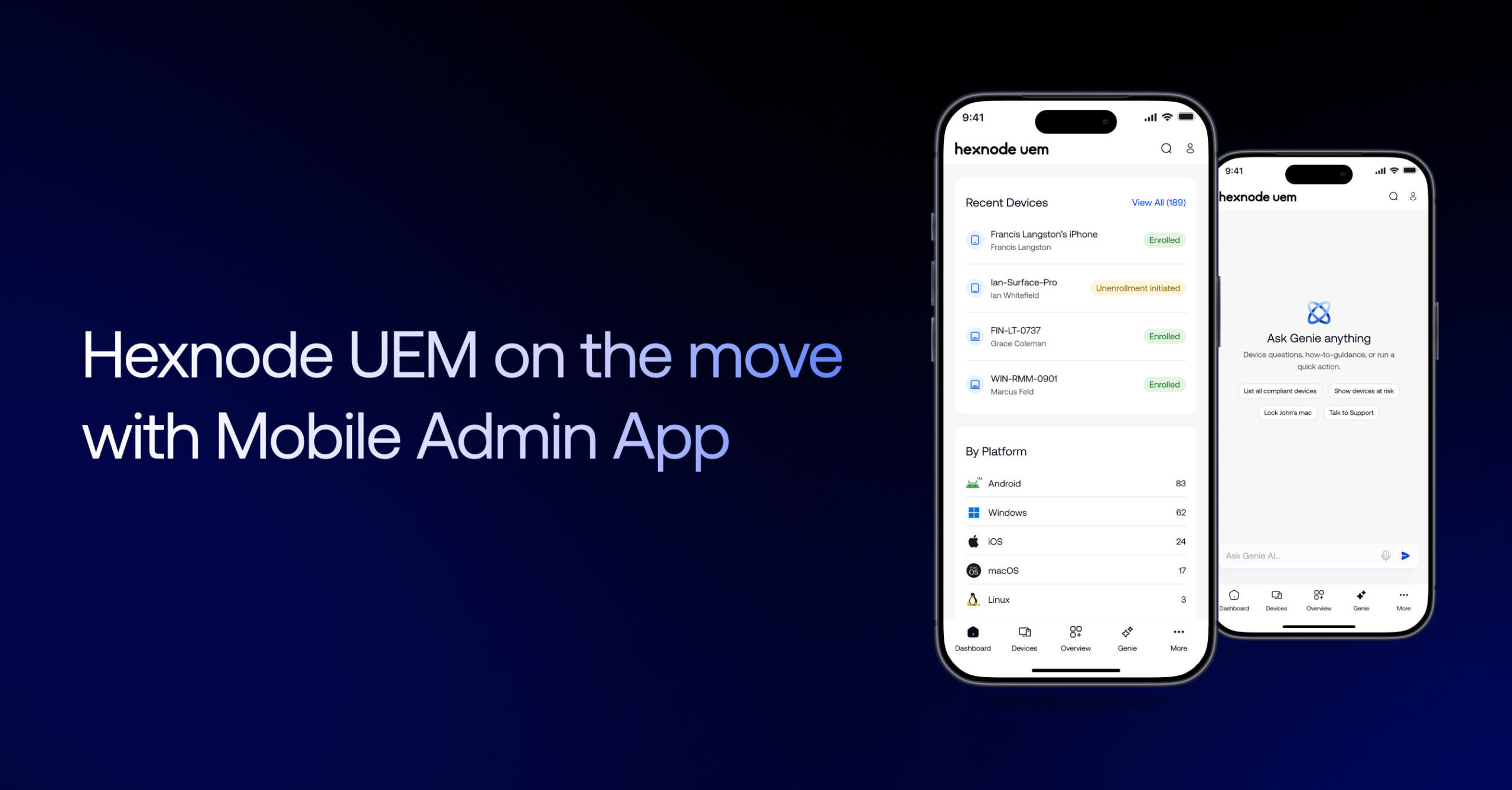
The new Hexnode UEM Mobile Admin App is designed to give administrators on-the-go visibility and control over managed endpoints.
From the app, administrators can review device information, work with Genie, manage policy assignments, respond to incidents and initiate supported actions from their mobile device.
Urgent endpoint issues no longer have to wait for an administrator to return to their workstation. Core administrative visibility can travel with the IT team.
Linux and macOS patching bring more control to update management
HexCon26 introduced patch-management enhancements across both Linux and macOS.
For Linux, Hexnode is expanding patch management to Ubuntu and Fedora, giving administrators centralized visibility into available updates and installed packages across managed devices.
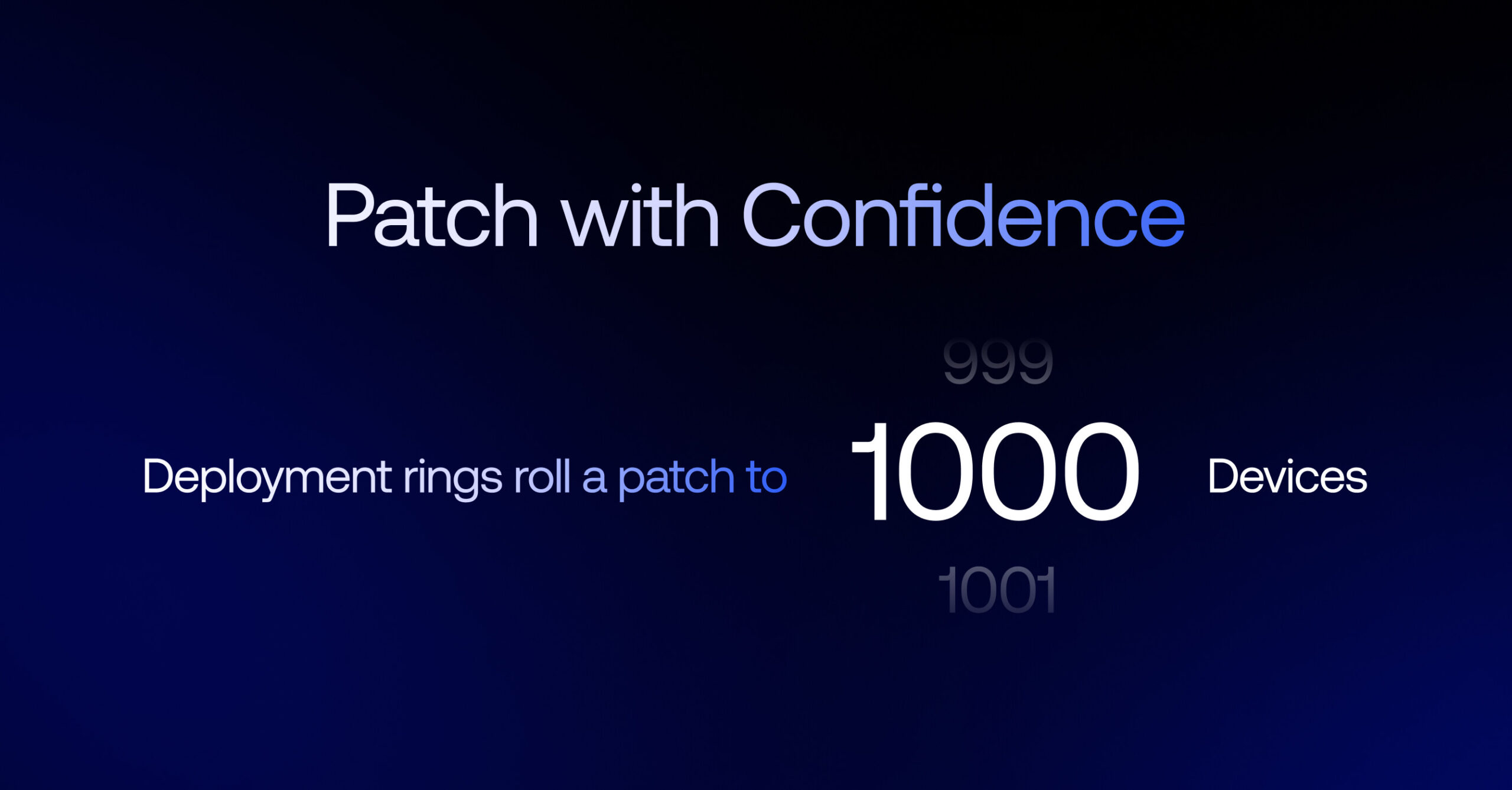
On macOS, n-1 patching allows IT teams to target the previous patch release instead of immediately moving devices to the newest version.
Together, these updates give IT teams more flexibility in how they manage patches across different operating systems – helping reduce manual work, improve visibility and balance security requirements with operational stability.
Windows management goes deeper, including servers and BIOS
Hexnode announced several additions aimed at expanding Windows administration.
Windows Server management extends Hexnode into server workflows including enrollment and core management, with the broader initiative covering areas such as automation, patching, remote actions and application distribution.
Hexnode is also extending management below the operating system with a BIOS boot-order remote action, allowing administrators to remotely adjust the boot sequence on supported Windows endpoints rather than relying solely on manual intervention or custom scripting.
Endpoint management increasingly needs to cover more than desktop configuration alone. These capabilities extend administration into server and firmware-level workflows.
Android eSIM management moves connectivity provisioning over the air
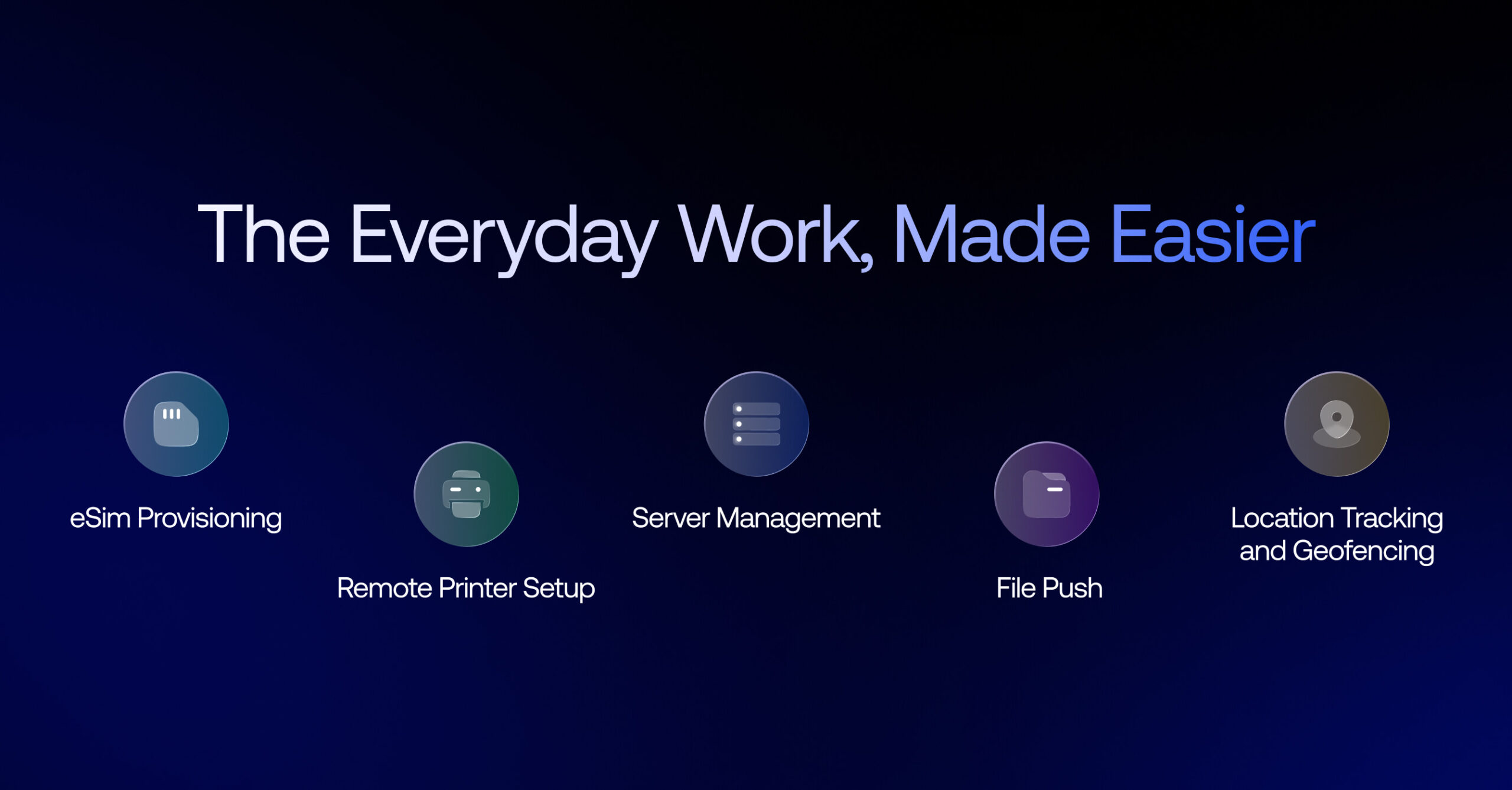
Hexnode also announced expanded eSIM management for supported Android Enterprise devices, allowing administrators to provision and manage cellular profiles remotely.
Organizations managing distributed mobile fleets can reduce their dependence on shipping and manually installing physical SIM cards while gaining greater visibility into cellular provisioning.
Hexnode Access extends to Linux
Identity management is also moving closer to the endpoint itself.
Hexnode Access support for Linux extends Hexnode’s login and identity-access capabilities to Linux devices, complementing its existing endpoint and identity-management direction.
Organizations with mixed operating-system environments can bring Linux endpoints further into the same identity and access strategy used across the rest of their fleet.
Genie AI takes aim at another migration hurdle
Hexnode also introduced a Genie AI-assisted discovery experience for macOS migration.
The idea is to help administrators identify the information required to move devices away from an existing management platform while surfacing safeguards around potentially destructive actions.
Migration is often less about enrolling devices into a new platform and more about safely getting them out of the old one. AI-assisted discovery can reduce some of that manual investigation.
From individual features to a more connected IT operation
Hexnode is extending management deeper into the endpoint while connecting UEM more closely with identity, security, AI and the wider IT environment. Synapse takes that strategy another step forward by focusing not simply on what each individual product can do, but on how work can be coordinated between them.
That makes the bigger HexCon26 story less about adding another list of features and more about reducing the distance between an IT problem and its resolution.